
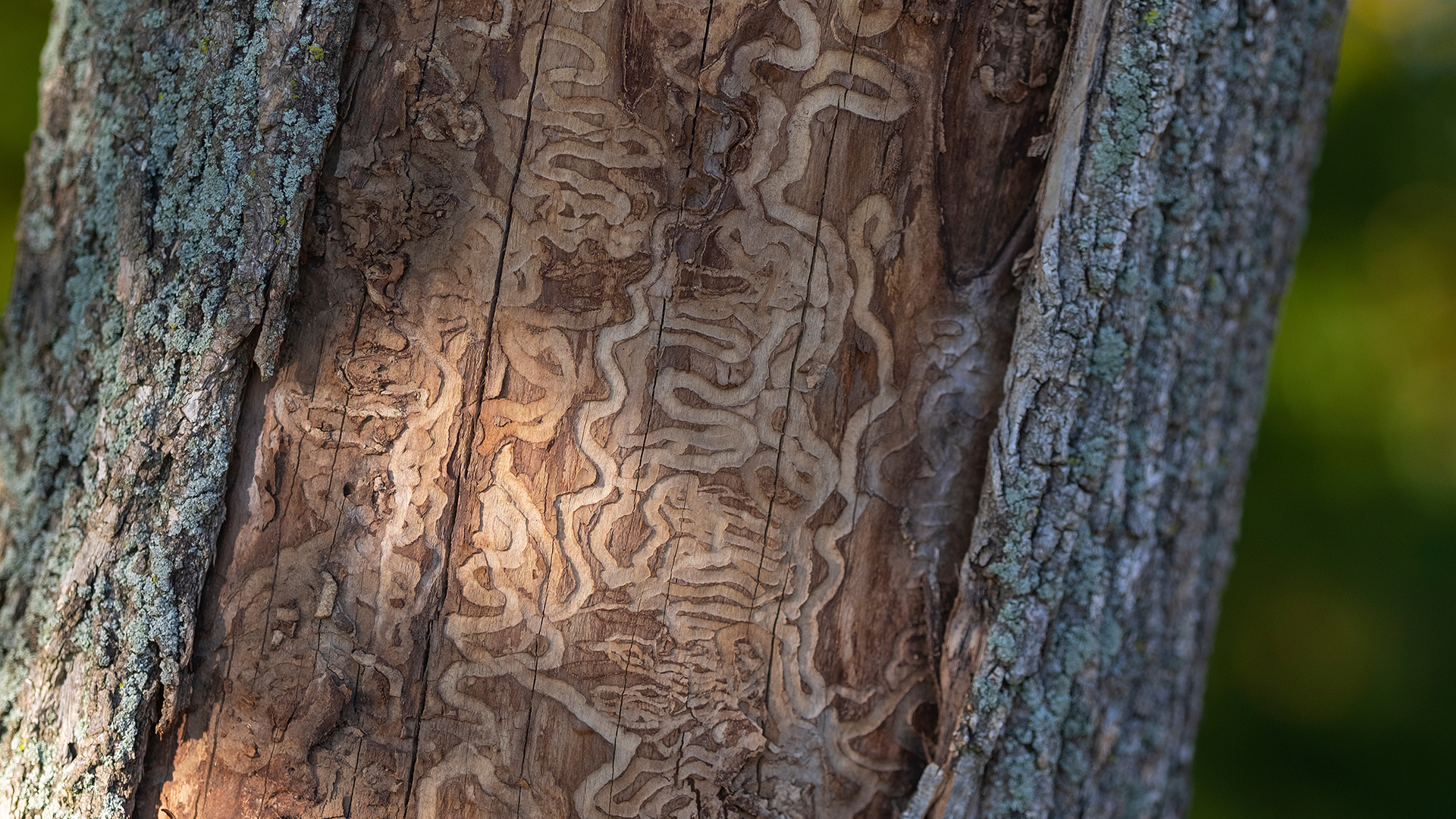
Emerald ash borer (EAB) is one of the most destructive tree pests in the U.S., and if you have an ash tree on your property, it’s normal to wonder what your options are. The hard part is that EAB damage can look like other tree health issues at first, and waiting too long can limit what treatments can do.
This guide breaks down emerald ash borer treatment in a clear, homeowner-friendly way: what EAB is, how treatments work, which options exist, when timing matters most, and how to tell whether treatment is worthwhile for your specific tree.
Quick Answer: Does Emerald Ash Borer Treatment Work?
Yes, emerald ash borer treatment can be very effective when applied early and maintained on schedule. The most reliable option is typically professional insecticide trunk injection, which helps protect the tree from larvae feeding under the bark. Treatment is most successful when the tree is still relatively healthy (good canopy, limited dieback) and when an ongoing plan is in place, since most treatments must be repeated every 1–3 years.
What Is Emerald Ash Borer (EAB), and Why Does It Matter?
Emerald ash borer is an invasive beetle that attacks ash trees. The real damage is caused by the larvae, which feed beneath the bark and disrupt the tree’s ability to move water and nutrients. Over time, this “girdling” effect can lead to canopy decline, branch dieback, and eventually tree death if the infestation isn’t addressed.
If you’re not 100% sure you’re looking at an ash tree, accurate ash tree identification is the first step, because treatment decisions should be based on the right tree species.
Does Ash Tree Treatment for Emerald Ash Borer Work if the Tree Is Already Infested?
Often it does, but it depends on timing and tree condition.
EAB treatments work best when:
- The tree still has a mostly full canopy
- Dieback is limited (early decline, not advanced)
- The tree is structurally sound
- A repeat schedule can be maintained
Emerald Ash Borer treatment effectiveness decreases when the canopy has significant dieback, the tree is severely stressed, or structural safety is becoming a concern. In those cases, the best next step is usually a professional assessment so you can make a clear decision based on the tree’s condition, not guesswork.
How to Treat Ash Trees for Emerald Ash Borer
There isn’t one “universal” EAB solution. The right approach depends on the tree, the site, timing, and severity. Here are the most common emerald ash borer tree treatment categories homeowners hear about.
Ash Tree Injections (Often the Most Reliable Option)
Emerald Ash Borer trunk injection delivers treatment directly into the tree’s vascular system. This helps protect the tree from larvae feeding under the bark and can be one of the most consistent methods when performed correctly.
Why homeowners choose it:
- Targets the tree internally
- Minimizes drift or off-target exposure compared to broad sprays
- Can offer longer protection depending on the product and plan
Trunk injection requires specialized tools, correct timing, and accurate dosage, and it’s typically performed by trained professionals.
Soil-Applied Treatments (Situational)
Some EAB products can be applied to the soil around the tree and absorbed by the roots. This approach may be used in certain situations, but effectiveness can vary depending on:
- Soil type and drainage
- Tree size (large trees can be harder to protect with soil-applied methods)
- Weather and watering patterns
This is one of the reasons a site-specific evaluation matters; what works well in one yard may be less reliable in another.
Bark Sprays (Limited Use Cases)
Bark sprays can be part of an EAB prevention strategy in some programs, but they require precise timing and thorough coverage to be effective, and they may not be the best fit for every property or tree size.
If you’re considering any pest-related approach, it’s usually better to start by understanding your tree’s health and risk level through professional emerald ash borer control services, rather than picking a method first.
Tree Removal (Only When Necessary)
This guide focuses on treatment, not removal, because not every ash tree needs to come down. But removal may be the right call when:
- The tree is too far gone (advanced dieback)
- The tree is structurally unsafe
- The tree’s location increases risk (near a home, driveway, or power lines)
If a tree is showing signs of structural risk, it’s worth reviewing guidance on how to spot a dangerous tree on your property so safety stays the priority.
When Should You Treat for Emerald Ash Borer?
Timing matters for two reasons:
- Treatments are more effective before canopy decline becomes severe
- EAB spreads quickly, waiting for “obvious” symptoms can be too late for long-term success
In general, the best candidates for treatment are ash trees that are still healthy or only showing early signs of stress. If you’ve noticed decline but aren’t sure what it means, a professional evaluation can help confirm whether EAB is likely and whether treatment is realistic.
How Often Do You Need to Treat Ash Trees for Emerald Ash Borer?
Most treatment plans require repeat applications. The frequency depends on:
- The treatment method used
- Tree size and health
- Local pest pressure
- The specific protection window of the product
A common range is every 1–3 years, but the key point is this: EAB protection is usually not one-and-done. The best outcomes come from a plan that includes follow-up and monitoring.
Is EAB Treatment Worth It?
For many homeowners, the question isn’t “Can it be treated?” but “Is it worth treating this tree?”
Treatment is often worthwhile when:
- The ash tree provides significant shade or curb appeal
- The tree is healthy and structurally sound
- Removal would be costly or disruptive
- You want to preserve a mature tree rather than replace it
Treatment may be less worthwhile when:
- The tree is already in steep decline
- The tree is a high safety risk
- The tree is in a location where failure would cause major damage
This is where hiring an arborist can be helpful, especially when the decision affects safety, property plans, or long-term landscape value.
Signs That an Ash Tree Might Have EAB
Homeowners often start researching EAB after noticing changes like:
- Thinning canopy or branch dieback near the top
- Increased woodpecker activity
- Unusual sprouting along the trunk
- New bark damage or splitting
These signs can overlap with other issues, so they’re not a perfect diagnosis on their own. The goal is to use them as signals to get confirmation, not to jump to conclusions.
FAQ: Emerald Ash Borer Treatment Questions
Does emerald ash borer treatment work?
Yes, emerald ash borer treatment can be very effective when started early and maintained. The healthiest trees with limited dieback tend to respond best.
What is the best treatment for emerald ash borer?
For many properties, professional trunk injection is considered one of the most reliable options. The “best” choice still depends on your tree’s condition and the site.
How much does EAB treatment cost?
Costs vary by tree size, treatment method, and the number of trees. The most accurate way to estimate cost is an on-site evaluation where the tree can be measured and assessed.
How often do you need to treat an ash tree for EAB?
Many treatment programs repeat every 1–3 years, depending on the method used and local conditions.
Can an ash tree recover after EAB damage?
Sometimes, especially if decline is limited and treatment begins early. Trees with severe canopy loss are less likely to rebound.
Next Step: Get Clarity Before You Commit
Emerald ash borer treatment is most successful when you’re making the decision early, based on confirmed information and a realistic plan. If you’re in Jefferson City, Columbia, or surrounding Mid-Missouri areas and want to understand whether treatment makes sense for your tree, a professional assessment with Hentges Tree Service can help you:
- Confirm whether the tree is an ash
- Evaluate current health and risk level
- Choose the right treatment approach
- Set expectations for maintenance and long-term outcomes
Getting clarity first helps you move forward with confidence, without guesswork or unnecessary decisions.
DO YOU NEED HELP?
We’re here to serve you and we provide free estimates.